
Why Spiders Love Your Blinds (and What You Can Do About It)
Introduction
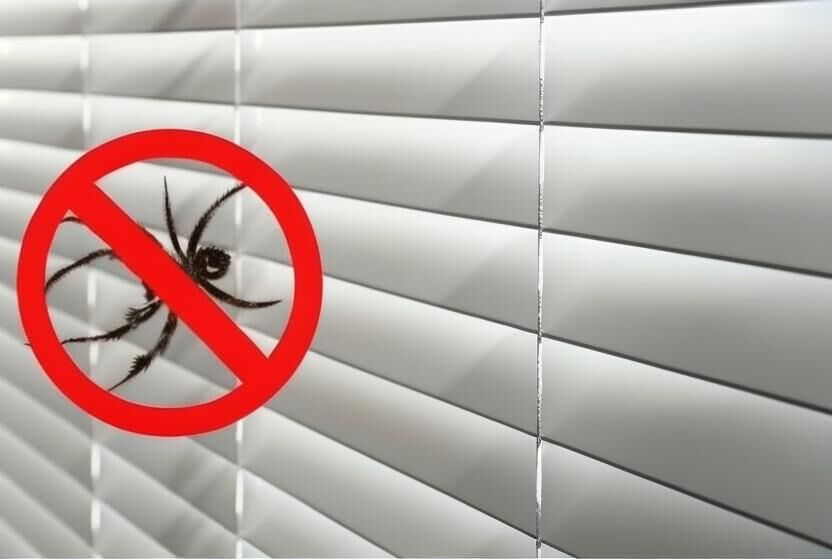
You open your blinds one morning and spot a tiny spider dangling by a thread — right between the slats. If that sounds familiar, you’re not alone. Blinds, whether fabric, wood, or metal, are a favourite hideout for spiders.
While they’re helpful little pest controllers, they can also leave behind webs and dust that make your windows look messy. Let’s dive into why spiders love blinds, how to stop them, and how to clean smarter so your home stays fresh and bug-free.
Why Spiders Choose Blinds as Their Hideaway
1. Quiet, Undisturbed Spaces
Spiders prefer calm areas where they won’t be disturbed. Blinds — especially those rarely opened — offer exactly that: darkness, warmth, and safety.
2. Perfect Hunting Grounds
Insects like moths, flies, and mosquitoes are drawn to light and warmth from windows. Spiders simply set up camp nearby, often weaving their webs along the top or behind slats.
3. Temperature and Humidity
Blinds help regulate indoor temperature, especially wooden or fabric ones. This stable environment attracts spiders looking for comfortable nesting spots.
4. Easy to Anchor Webs
Horizontal slats and cords create perfect anchor points for webs. Venetian and Roman blinds, in particular, offer multiple levels where spiders can attach silk threads.
The Types of Spiders Commonly Found Behind Blinds
You might not see them often, but a few spider types are regular visitors:
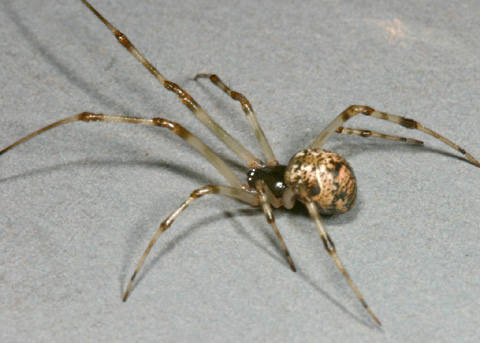
Common House Spider (Parasteatoda tepidariorum): Small, brown, and builds irregular webs in corners.
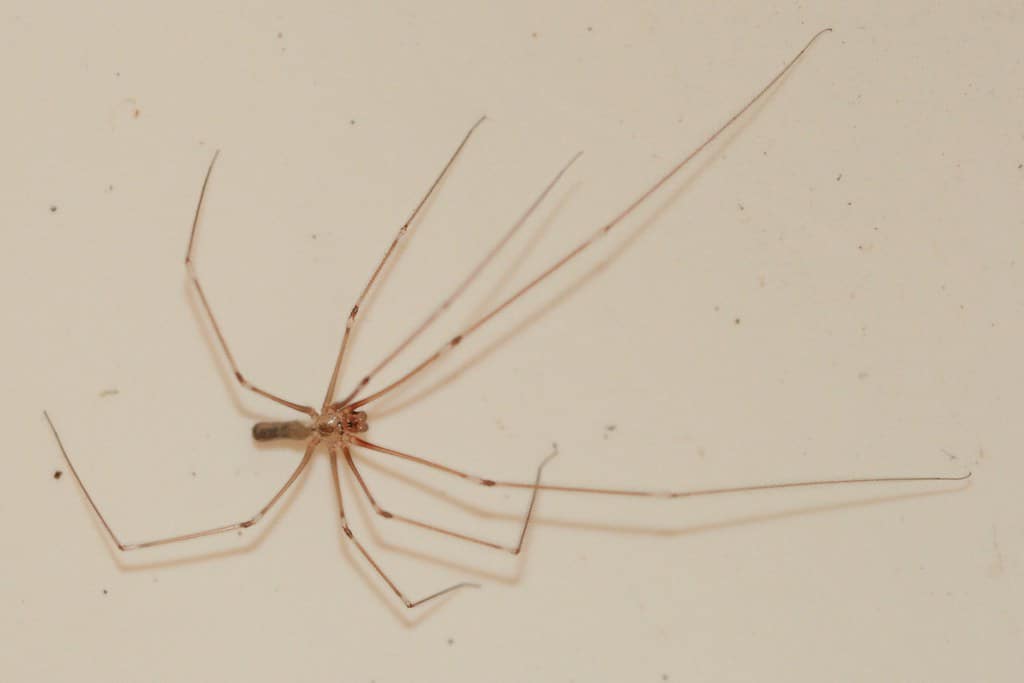
Cellar Spider (Daddy Long Legs): Slender legs, prefers dark upper corners.
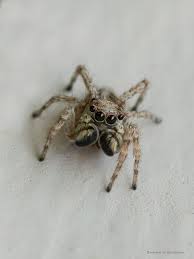
Jumping Spider: Tiny, curious, and may crawl on window ledges during the day.
While most are harmless, their webs can quickly accumulate dust and trigger allergies if left unchecked.
How to Keep Spiders Away from Your Blinds
1. Clean Regularly
Use a microfiber duster or vacuum with a brush attachment at least once a week. Pay special attention to corners, cords, and window frames.
2. Use Natural Repellents
Essential oils like peppermint, tea tree, eucalyptus, or lavender are great deterrents.
Mix 10 drops with water in a spray bottle, shake well, and lightly mist the blinds and nearby sills.
3. Eliminate Entry Points
Seal small cracks and window gaps where insects — and therefore spiders — might enter. Silicone sealant or weather strips work well.
4. Limit Night Lighting
Bright lights attract flying insects. Keeping exterior lights dim or off at night can indirectly reduce spider presence.
5. Choose Easy-to-Clean Blind Types
- Vertical blinds or roller blinds have fewer crevices and gather less dust.
- PVC or aluminium blinds have smooth surfaces that make web attachment difficult.
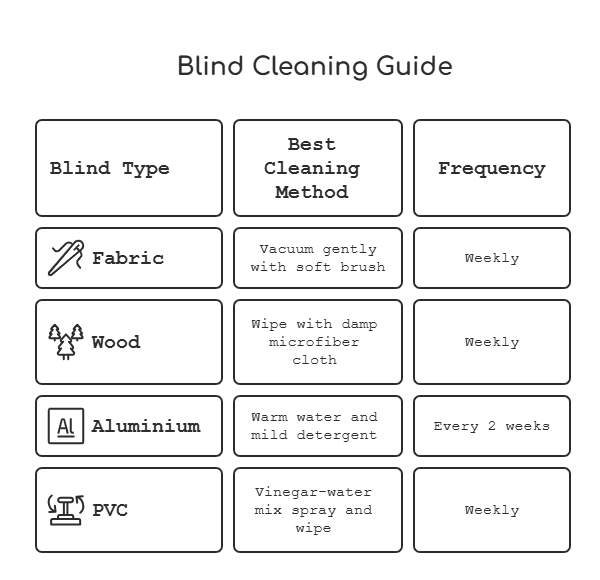
Cleaning Tips for Web-Free Blinds
Natural Remedies That Actually Work
Some home remedies truly make a difference:
- White vinegar: The acetic acid scent deters spiders and disinfects surfaces.
- Citrus peel: Rubbing orange or lemon peel along the window sill repels spiders naturally.
- Cedarwood oil: Known to keep many insects and spiders at bay.
What Not to Do
- Don’t use harsh chemical sprays near fabric blinds; they can stain or discolour material.
- Avoid leaving cleaning residue — spiders are attracted to leftover dust and scents from dead insects.
Quick Prevention Checklist
- Dust blinds weekly
- Clean window corners and frames
- Spray peppermint oil mix monthly
- Keep windows sealed
- Replace damaged cords or slats
Conclusion: A Spider-Free Space Starts with Maintenance
You don’t have to fear every cobweb — spiders are natural pest controllers — but keeping blinds clean ensures they don’t turn into bug hotels.
With regular dusting, simple natural sprays, and better light control, your blinds can stay spotless, functional, and web-free.
Want more home care tips like this? Explore our latest articles on window cleaning, pest prevention, and easy DIY maintenance ideas.